Christmas 2025
No one has ever seen God—or so the ancients said.
They believed you could not see God because God was invisible. Or, if someone did see God, that person would not live to tell it. And so, Moses asks to see God’s glory, not God’s face. He is protected in a cleft of a rock and covered by God’s hand when God passes by. He is allowed to see God’s back, as God tells him, “You cannot see my face, for no one can see me and live” (Exodus 33:20).
And yet, today, we joyfully proclaim to the world that we have seen his glory! But, even more than this, the divinity of God has become entirely visible in Jesus, the Word-made-flesh.
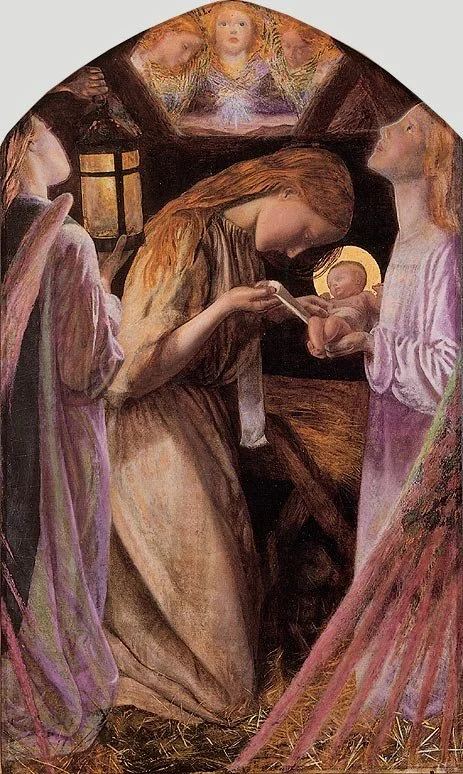
Every Christmas we celebrate the truth that God became a human being.
This belief is so essential that to deny it or to try to explain it away is to give up the foundational belief of Christians. The Solemnity of Christmas invites us to pause and reflect on what these words really mean.
It is one thing to simply repeat the words of the Nicene Creed: “and by the Holy Spirit was incarnate of the Virgin Mary and became man.” It is quite another to allow these words to effect a change in our lives. These words seem so simple and direct, but their meaning is far beyond what our minds can really comprehend. And so, to say that Jesus is Emmanuel—“God-with-us” —is a profound and dynamic statement of faith. But it is only faith which allows us, like the shepherds and sages of so many centuries ago, to make our way through the darkness to make our way to the manger, even as war, disease, poverty, and the senseless loss of innocent life can make us ask, “Where is God?”
Sometimes it can even feel like the darkness might swallow us up.
But what we, as people of faith, celebrate at Christmas is the reality that God is here, present among us, working within us, now.
Ultimately, Christmas means saying “Yes” to something beyond emotions and feelings. It is saying “Yes” to hope and the knowledge that salvation is God’s work, not ours:
“The world is not whole… But it is into this broken world that a child is born, who is called Son of the Most High, Prince of Peace, Savor. I look at him and pray, ‘Thank you, Lord, that you came… Your heart is greater than mine’” (Henri Nouwen, The Road to Daybreak).
So, the question we must ask ourselves this Christmas is this: how we will allow that “Yes” to shape our lives so that the Gift of Christmas isn’t forgotten or lost after a day or even a season?
Christmas contains a promise that what began in that stable in Bethlehem—with that birth which changed human history—is still at work in individual hearts and in the world today: God’s redeeming love and peace.
My prayer is that we might all know that love and peace not only in these holy days, but throughout the coming year of jubilee and grace.
Merry Christmas.
